
Colorado County Probable-Cause Process
Every Colorado County arrest warrant starts with paperwork under oath. A complaint, an affidavit, or another authorized document lays out the claim. A judge or magistrate then weighs that showing against the required standard, names the person and the alleged offense, and signs process only if it holds up. Where the case lands depends on the charge: District Court, Constitutional County Court, a justice of the peace, or a municipal court. The Texas Code of Criminal Procedure, Chapter 15 governs how an arrest under warrant proceeds. A clerk or court coordinator can pull the right file. What the clerk cannot do is advise anyone on how to answer a specific charge.
How Arrest Warrants Work in Colorado County
No single Colorado County warrant list exists. Each office keeps its own records, so a warrant check means working through the right one. The County Clerk's criminal portal covers County Court matters, while the District Clerk holds felony and other District Court files. JP and municipal courts keep their own Class C cases, and the Sheriff's Office can route a custody or service question even though it posts no public active-warrant search form. To run a personal warrant lookup, start with the official case portal, then call the court it points to and ask staff to confirm the warrant's current status and any public document. One caution: a portal can lag reality. Newly entered process, sealed files, juvenile matters, and lower-court cases may not show up, so a clean search does not settle the question. Only the issuing court can confirm what is actually outstanding.
Who May Serve Colorado County Arrest Warrants
Any authorized peace officer can execute arrest process in Colorado County. The Sheriff's Office sits at 2215 Walnut Street in Columbus, at 979-732-2388. City departments list their own numbers: Columbus Police at 979-732-3351, Eagle Lake Police at 979-234-2727, and Weimar Police at 979-725-8060. Which agency takes a particular warrant depends on the case. For non-emergency routing, the Sheriff's Communications page is the right stop. The office's Constables page notes that constable offices mainly handle civil service and lack independent 24-hour emergency dispatch, so treat them as a civil office rather than a criminal-warrant unit unless told otherwise.
The Colorado County sheriff can point to a service route, but recall and case settings stay with the issuing court.
Arrest Warrants: What They Contain
A warrant record can carry several fields when it is public. Colorado County does not put every label online. Treat this as a checklist for reading an official case file, not a promise of what a search returns. Write down the court and case number first. Those two facts open every later question about bond or service.
| Case number | Local format not verified; ask for the exact number from the court. |
|---|---|
| Named party | Use the name in the court's file; confirm identity directly with staff. |
| Offense | May show the charge, statute, or classification when public. |
| Issuing judge and court | Identifies where to request status or a hearing. |
| Bond | Amount and type require current confirmation; no countywide schedule was located. |
| Status and return | May note active, served, returned, or recalled process if exposed. |
Sealed documents and protected fields may not be visible in the index.
Colorado County Warrant Service Roles
Service in Colorado County may run through the sheriff, a municipal police department, or another authorized officer. No public source names a countywide warrant squad, an assignment list, or a running count of arrest warrants. The Sheriff's Civil Process page covers civil service categories and fees, and a writ of capias listed there is civil paperwork, not proof of a criminal arrest warrant. City cases work the other way around: the municipal court keeps the file while its police department may handle service. For a felony or higher-court matter, the District Clerk can locate the record and the sheriff can take a custody or service question. Calling both makes sense only when the case truly needs both. The District Clerk's page posts public search terminals along with copy fees, and those fees buy copies, not bond.
How Warrants Get Served in Colorado County
An arrest in Colorado County triggers quick procedural steps. Texas rules call for prompt magistration and a bail decision. Under Chapter 17, the magistrate must act without unnecessary delay and, where the circumstances apply, within 48 hours on bail. The court file may later show the service return, the bond, and the next setting. An officer at the door does not mean the charge is resolved. Posting bond addresses custody and the conditions for appearing, but the case itself continues until the court closes or dismisses it. A lawyer can explain how surrender, bond, and later hearings fit together in a Colorado County case. The Chapter 17 bail provisions set out the state framework.
What Article 15.26 Requires at Arrest
Article 15.26 of the Texas Code of Criminal Procedure governs what happens when an officer executes a warrant in Colorado County. The officer must make the authority for the arrest known. The warrant itself need not be on hand at the moment, though the Code provides for showing it on request. Questions about the record or its release go to the issuing court or whichever agency holds a copy. The official Article 15.26 text is the controlling source. Keep one limit in mind. A public case index can leave out the affidavit or a sealed document even when the case exists, so the index is not the whole file.
Arrest Warrants, Summonses, and Bench Warrants
Three documents get confused, and the trigger behind each matters. A summons asks a person to appear. An arrest warrant authorizes an arrest on a judge's order. A bench warrant, by contrast, answers a missed court duty, so it usually ties back to an existing Colorado County case rather than a new complaint. The right response differs for each, which is why the name on the paper deserves a close read.
| Process | Trigger | First contact |
|---|---|---|
| Arrest warrant | Probable-cause review | Issuing court and counsel |
| Summons | Notice to appear | Court listed on notice |
| Bench warrant | Missed date or noncompliance | Court that set the case |
| Capias pro fine | Unpaid judgment amount | Issuing JP or municipal court |
Read the underlying case and process label together before choosing a path.
Colorado County Bond Amounts Need Court Confirmation
Colorado County publishes no criminal bond schedule, no list of accepted bond instruments, and no jail bond-window hours. The sheriff's Jail Division lists a contact extension but no bond payment window. The court, or jail staff it authorizes, is the only reliable source for the current amount, the payment location, accepted funds, hours, and any hold.
Bond note: Do not treat the statutory warrant-processing fee as a bond amount. Ask the issuing court for the current bond and any separate fees.
Texas Code of Criminal Procedure Section 102.011 sets out processing fees, but Colorado County treats that rule as fee authority, not a bond schedule. Only the court can confirm a bond amount.
Federal Warrants Leave County Indexes
A federal warrant never touches the Colorado County clerk index or OmniBase. Federal courts and federal agents handle it. Colorado County sits inside the Southern District of Texas for federal trial jurisdiction. Some matters stay hidden there too. A sealed complaint or an unexecuted warrant may never show on a public docket. When a federal case is in play, talk to federal counsel or the right federal office rather than hunting county warrant records. Public access runs through PACER, which charges fees for docket views. CourtListener/RECAP offers another docket search. Neither is an authoritative warrant-status source. The link above leads to the federal case-access landing page, not a personal result.
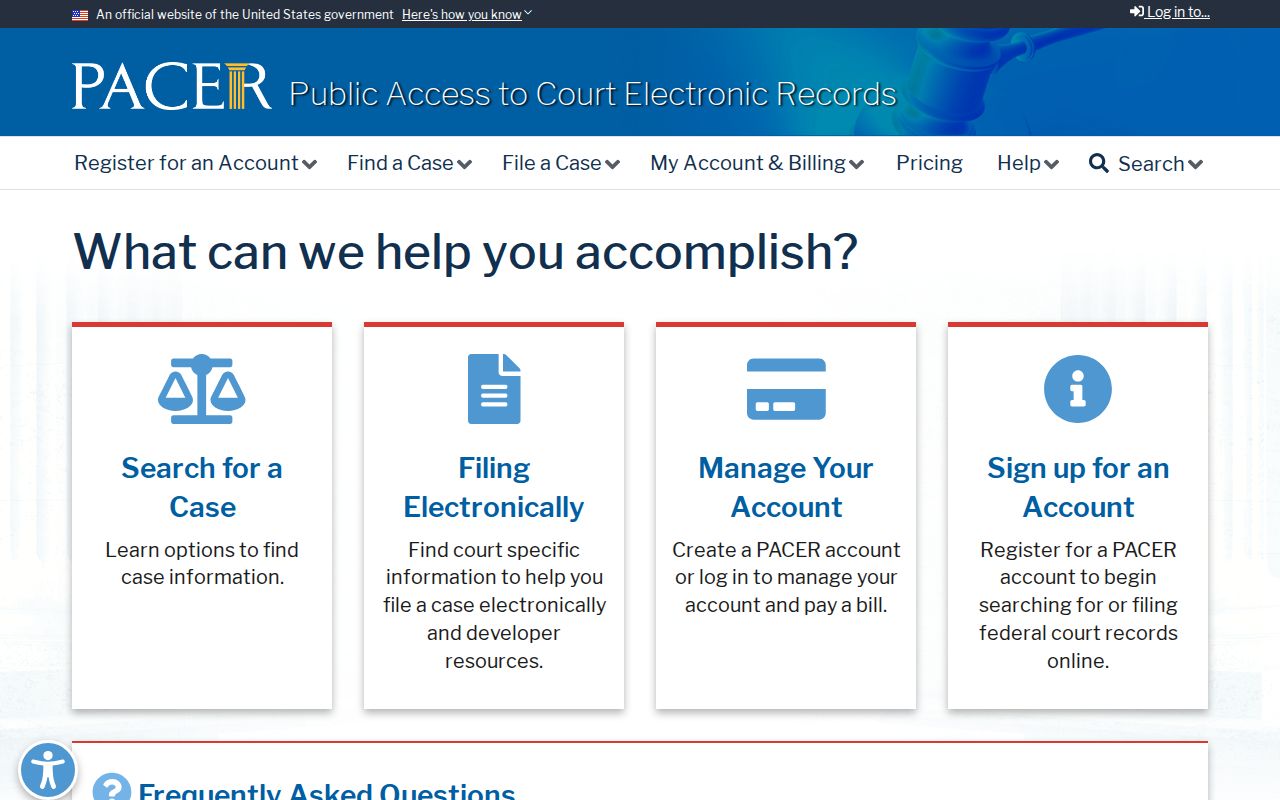
County and federal processes must be confirmed with the court system that issued them.
Handling an Arrest Warrant in Colorado County
Think a warrant is active in your case? Call an attorney and the issuing clerk before you show up anywhere in Colorado County. Ask about voluntary surrender, a walk-through, bond, or a motion to recall, and ask where the person should go. The county publishes no warrant-specific walk-in window.
Important: Confirm the case, court, bond, and appearance instructions with counsel or the issuing court before choosing a surrender route.
Keep any written order or receipt, and ask when the Colorado County index will show service or recall. A cleared warrant alone does not end the charge.